
The Nature & People Action Collab connects research, communities, and decision-makers to advance nature-based solutions to pressing environmental challenges.
A little about us
The Nature and People Action Collaborative (NPAC) at the University of Colorado Boulder helps translate global knowledge into locally grounded strategies that protect ecosystems and support people.
The Nature and People Action Collaborative was founded to address a growing gap between environmental research and the real-world challenges faced by communities. While scientific knowledge about climate change, biodiversity, and ecosystem services has expanded rapidly, many communities lack the tools, partnerships, and capacity needed to translate that knowledge into effective action.
NPAC was created to bridge this gap by bringing together expertise across ecology, climate science, social science, education, and policy. Working directly with communities, municipalities, conservation organizations, and government agencies, the center co-develops solutions that are scientifically rigorous, locally informed, and scalable—advancing practical strategies that benefit both people and ecosystems.
NPAC brings together an interdisciplinary network of researchers committed to collaboration and action:
-
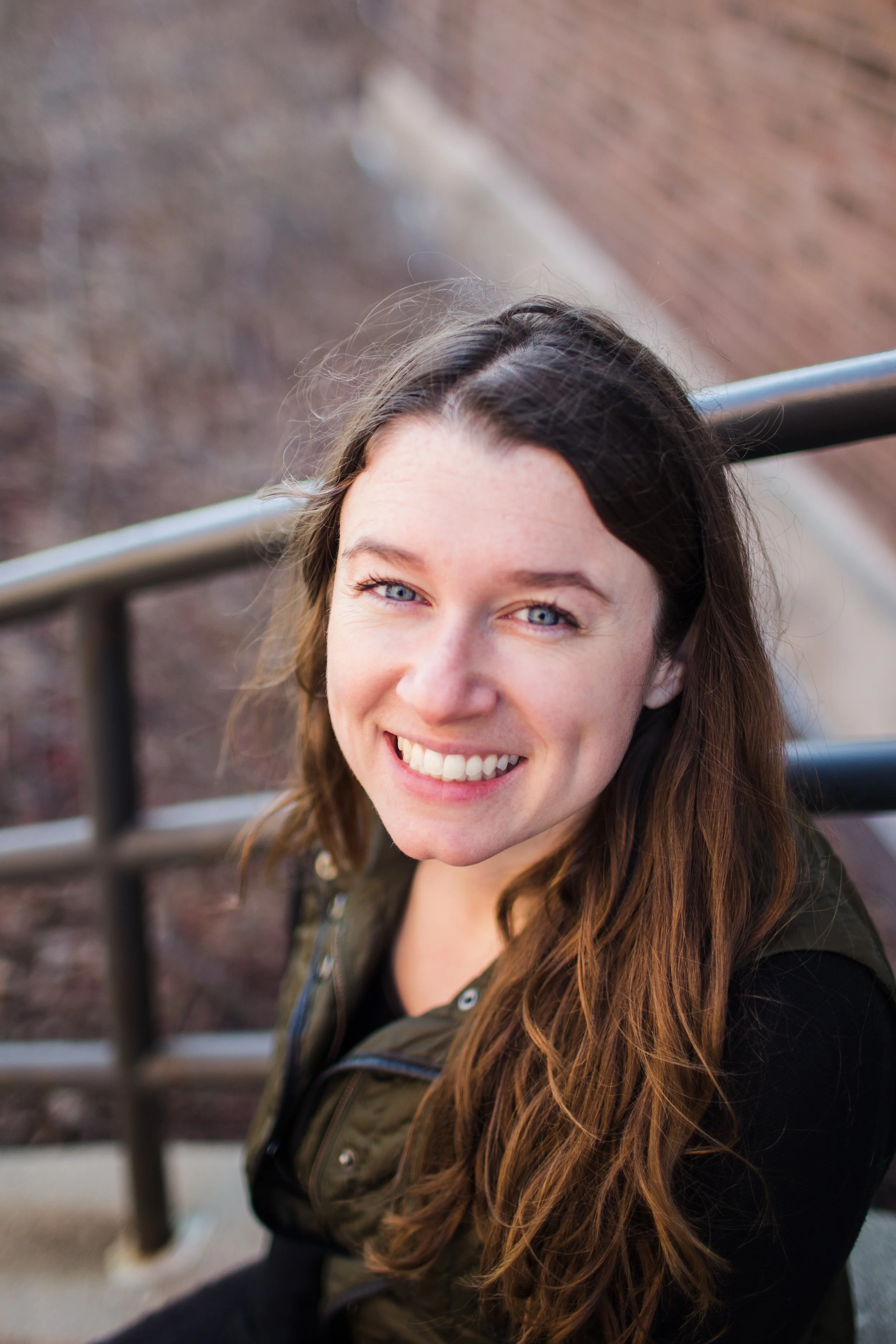
Laura Dee
Director | Ecology & Evolutionary Biology
Laura Dee is an ecologist and sustainability scientist whose research focuses on biodiversity conservation, ecosystem services, and improving decision-making for environmental management under climate change. She works with interdisciplinary teams and community partners to design and evaluate nature-based solutions that support both ecosystems and human well-being. Her research has informed conservation planning and environmental policy at local, national, and global scales.
-
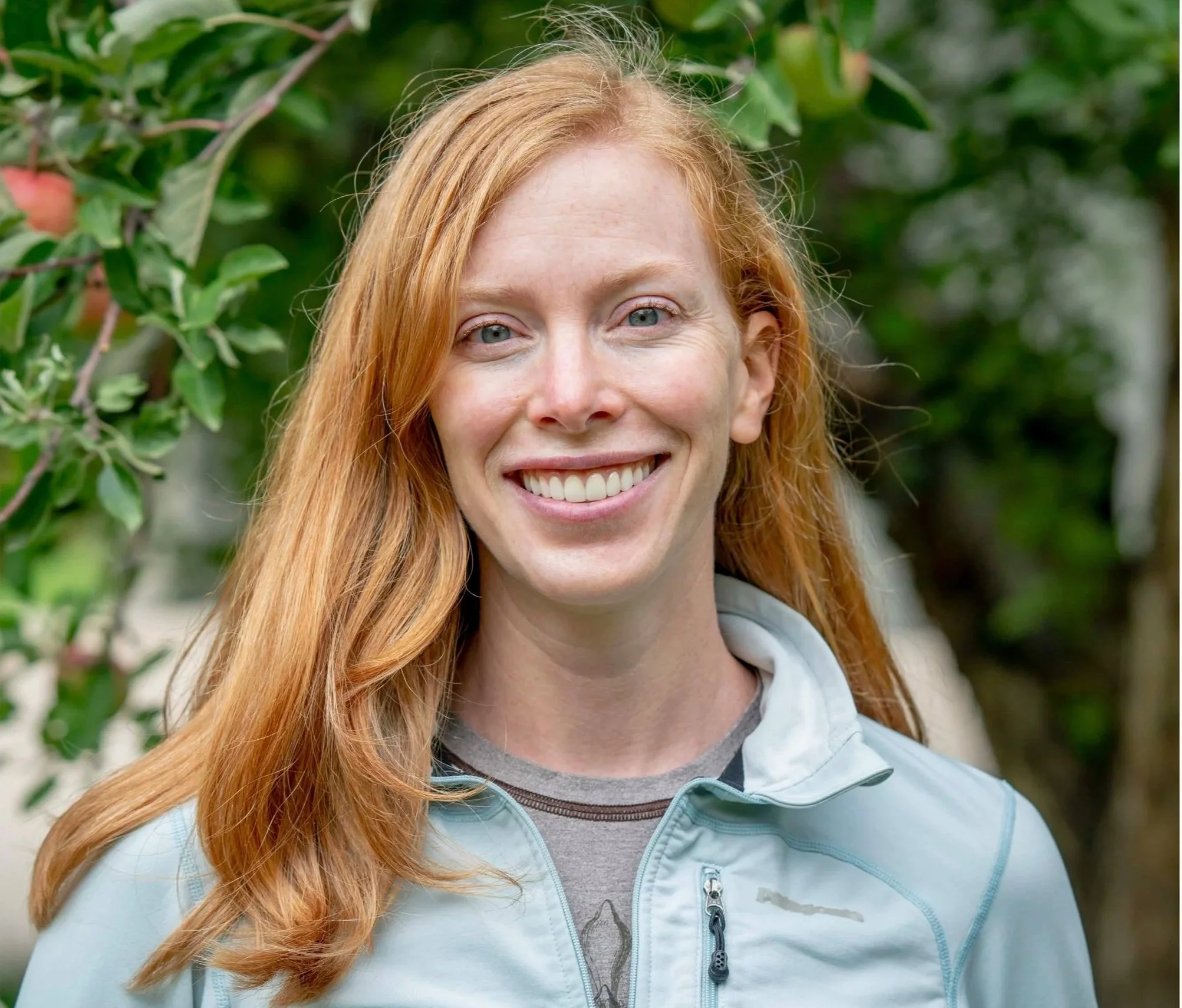
Lisa Corwin
Managing Director of Education | Ecology & Evolutionary Biology
Lisa Corwin is a biology education researcher focused on community-engaged science and training the next generation of environmental problem solvers. Her work explores how students develop skills in collaboration, resilience, and interdisciplinary problem-solving while working on real-world environmental challenges. Through NPAC, she leads initiatives that integrate education, research, and partnerships to prepare students and practitioners to design and implement nature-based solutions.
-
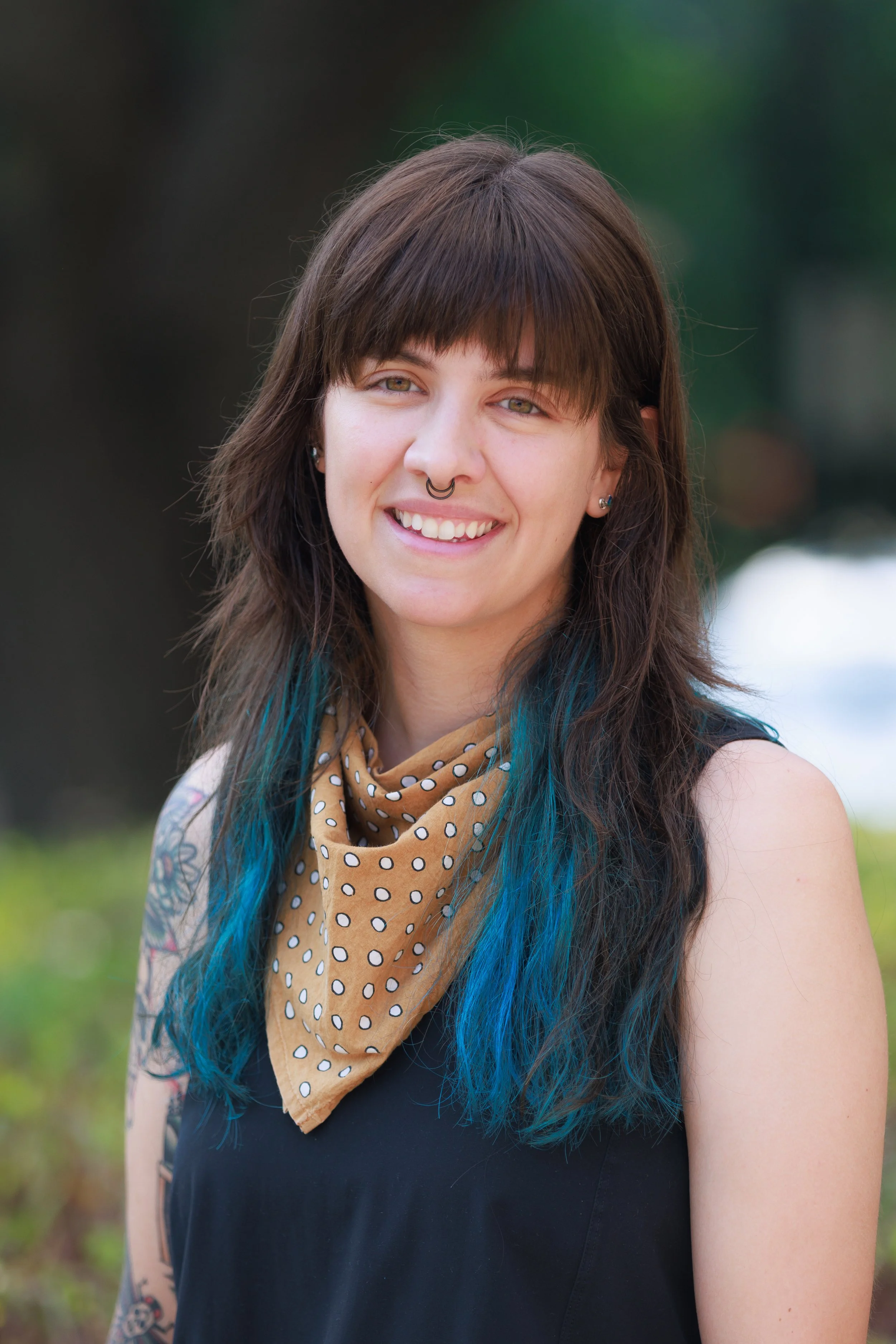
Kaitlin Kimmel
Managing Director of Research | Ecology & Evolutionary Biology
Kaitlin Kimmel is an ecologist who has extensive research experience within academia and applied settings. Her research spans biodiversity-ecosystem functioning relationships, conservation science, meta-science within ecology, and environmental security. She has worked with end-users ranging from public land managers to farmers and ranchers to government officials. At NPAC, she advances collaborative research efforts and ensures transparency and replicability of our science.
-
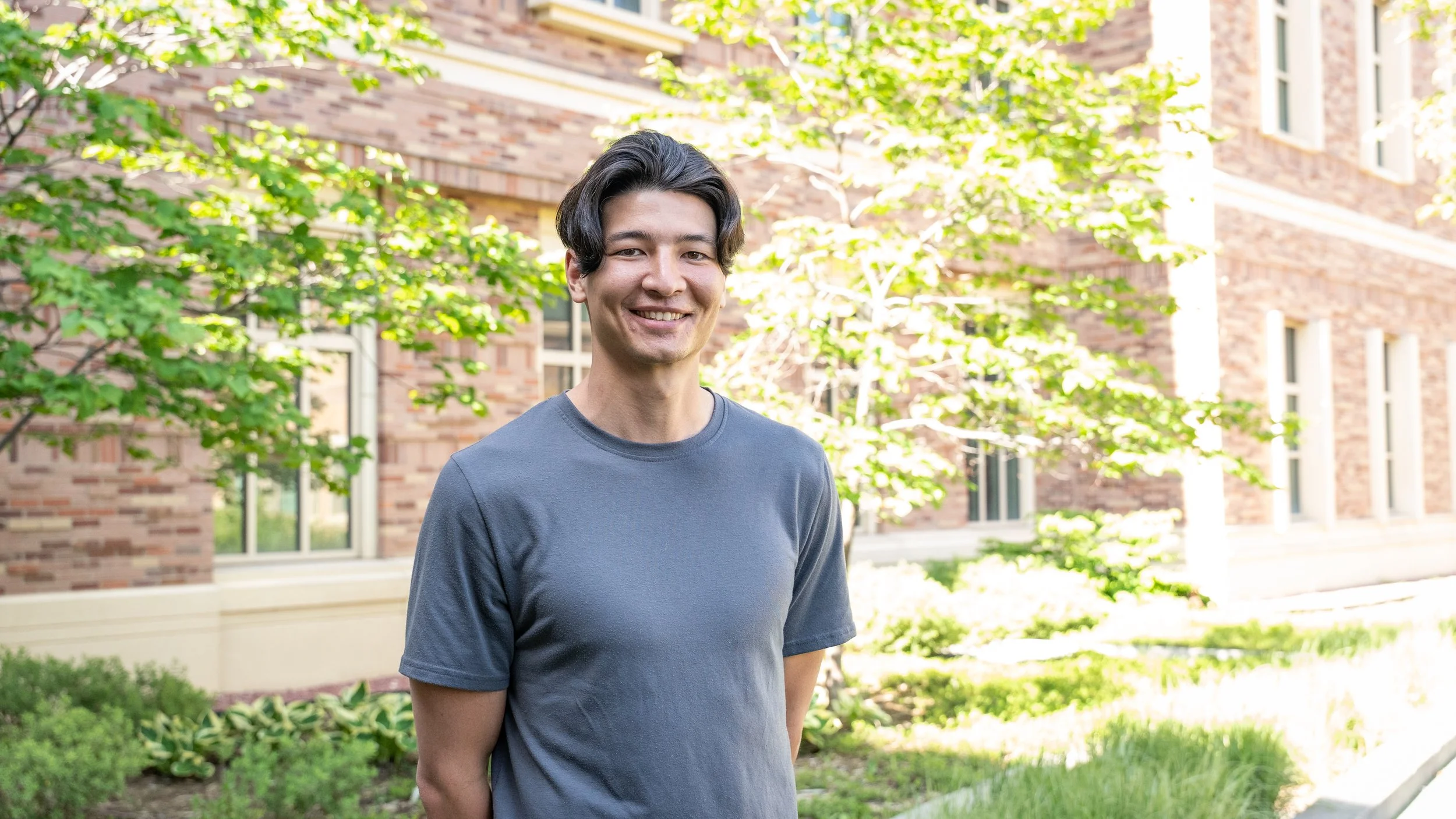
Kyle Manley
Postdoctoral Researcher
Kyle is a postdoctoral researcher studying how global change reshapes coupled social-ecological systems.
His work focuses on how climate change, disturbance, and urbanization alter the ways people interact with, are at risk from, and depend on ecosystems, particularly through the lens of Nature’s Contributions to People. Across his research, he develops data-driven approaches to make often-overlooked human dimensions of environmental change visible and measurable. He contributes to efforts to develop scalable, reproducible indicators of nature-positive outcomes for cities. In parallel, he is a contributing author to the U.S. Geological Survey-led Biodiversity and Climate Change Assessment, where he leads work on sociocultural flows and contributes to research on human movement and broader transboundary dynamics linking climate change, biodiversity, and society.
-
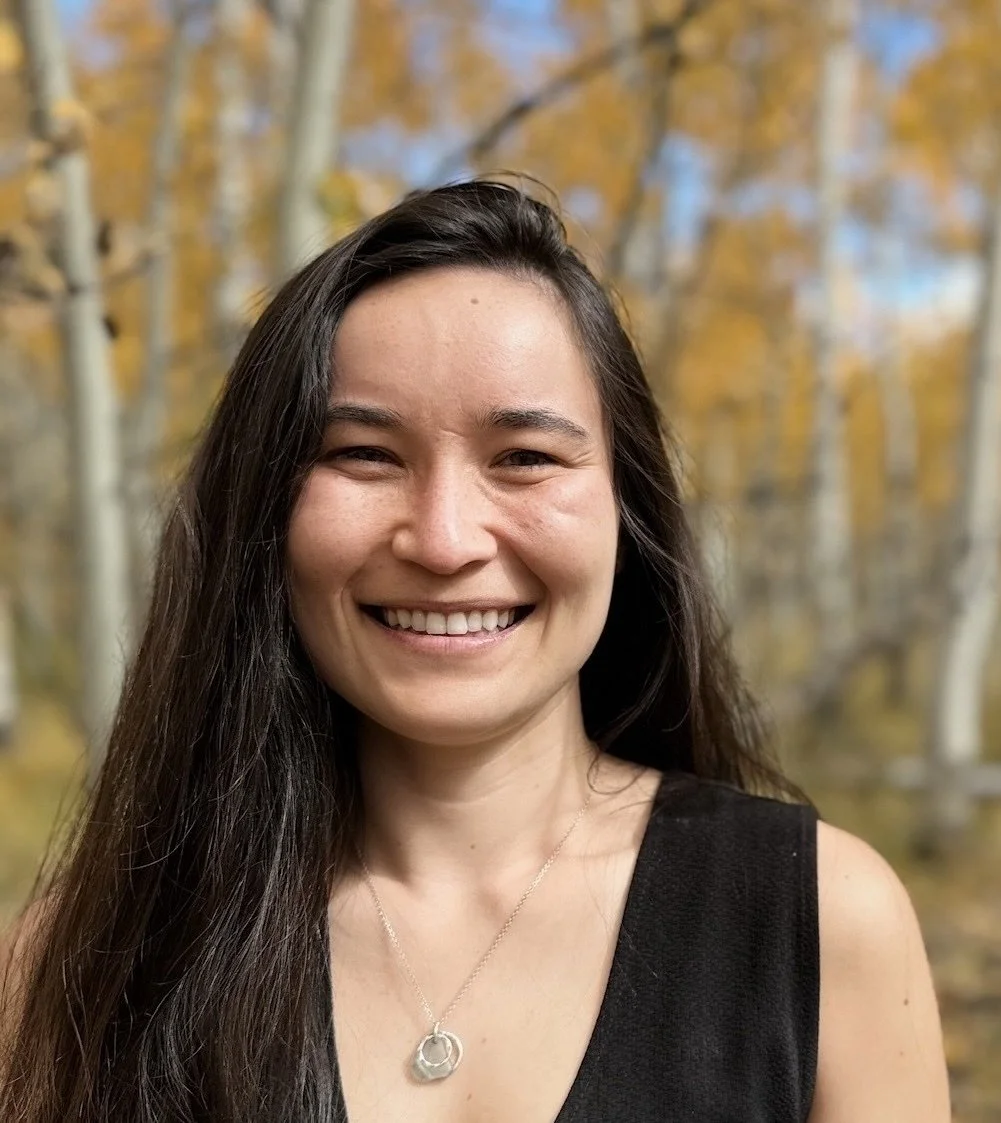
Keiko Nomura
Postdoctoral Researcher
Keiko is a marine social-ecological systems scientist focused on fisheries sustainability and marine resource management.
Her research has covered topics like marine spatial planning, fisheries climate adaptation, and conflict and cooperation in international fisheries. She combines quantitative network and spatial analyses with qualitative governance contexts to address key questions on ocean resource use. As a Postdoctoral Researcher at ESIIL at CU Boulder, she is now exploring how international seafood trade affects food security and sustainable development in the Pacific Islands. With NPAC, she is working with WWF to develop biodiversity indicators of marine ecosystem integrity and connectivity across habitats like seagrasses, coral reefs, mangroves, and rocky shorelines.
-
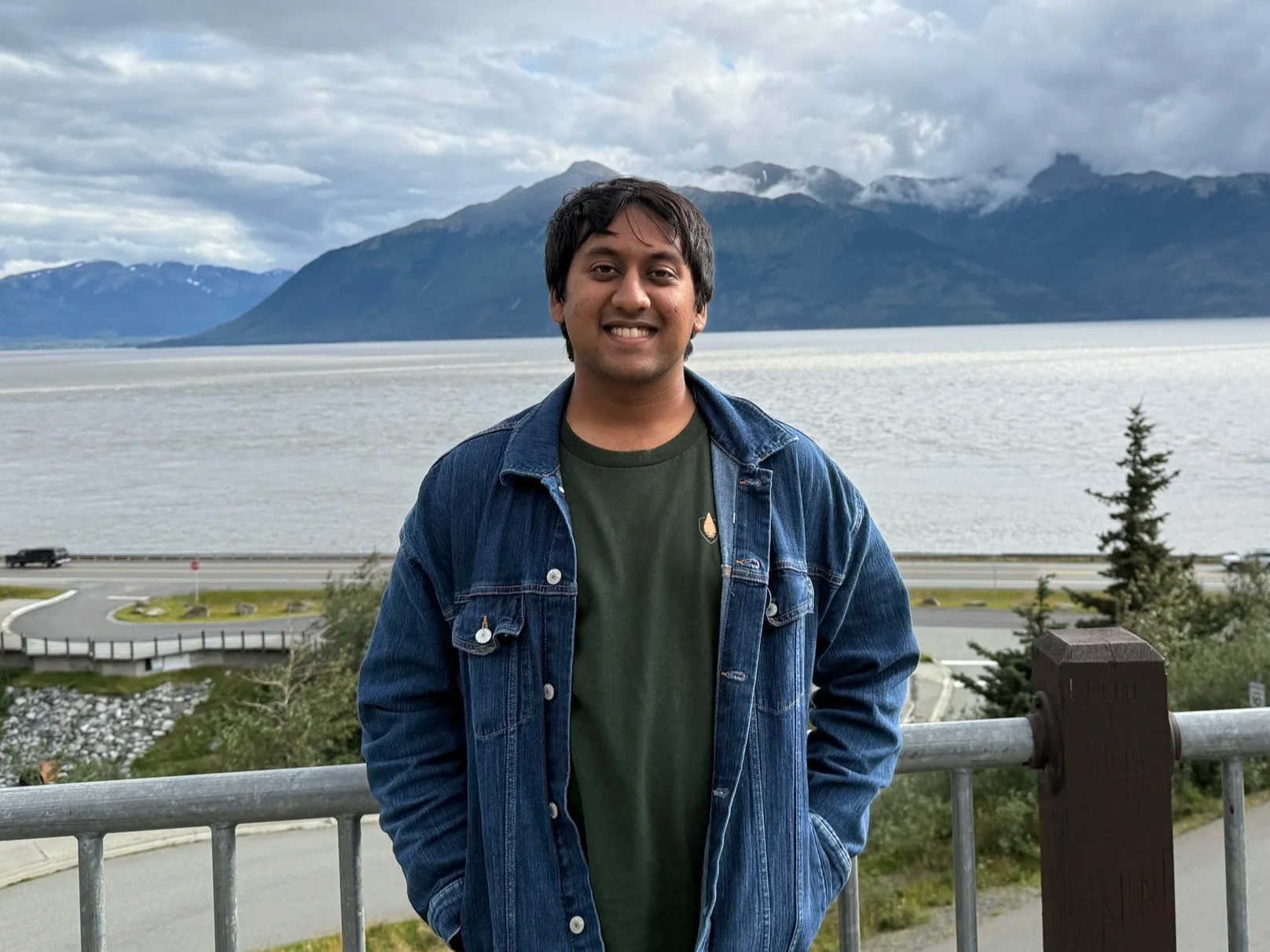
Advyth Ramachandran
PhD Candidate
Advyth is a PhD Candidate in Ecology & Evolutionary Biology at CU Boulder. His research focuses on understanding how plants influence ecosystem dynamics and nature’s contributions to people.
At NPAC, Advyth is leading a project to investigate whether certain tree species have a greater cooling impact on urban air temperature than others. In this project, NPAC researchers are deploying a network of temperature sensors across Boulder to measure urban heat and the cooling benefits of trees. Researchers are also studying the “functional traits” of tree species—measurable properties of plants including the architecture of tree canopies and leaf adaptations—to assess if the unique characteristics of tree species impact their contributions to heat reduction. This project is conducted in partnership with the City of Boulder Department of Climate Initiatives and Department of Parks & Recreation.
-
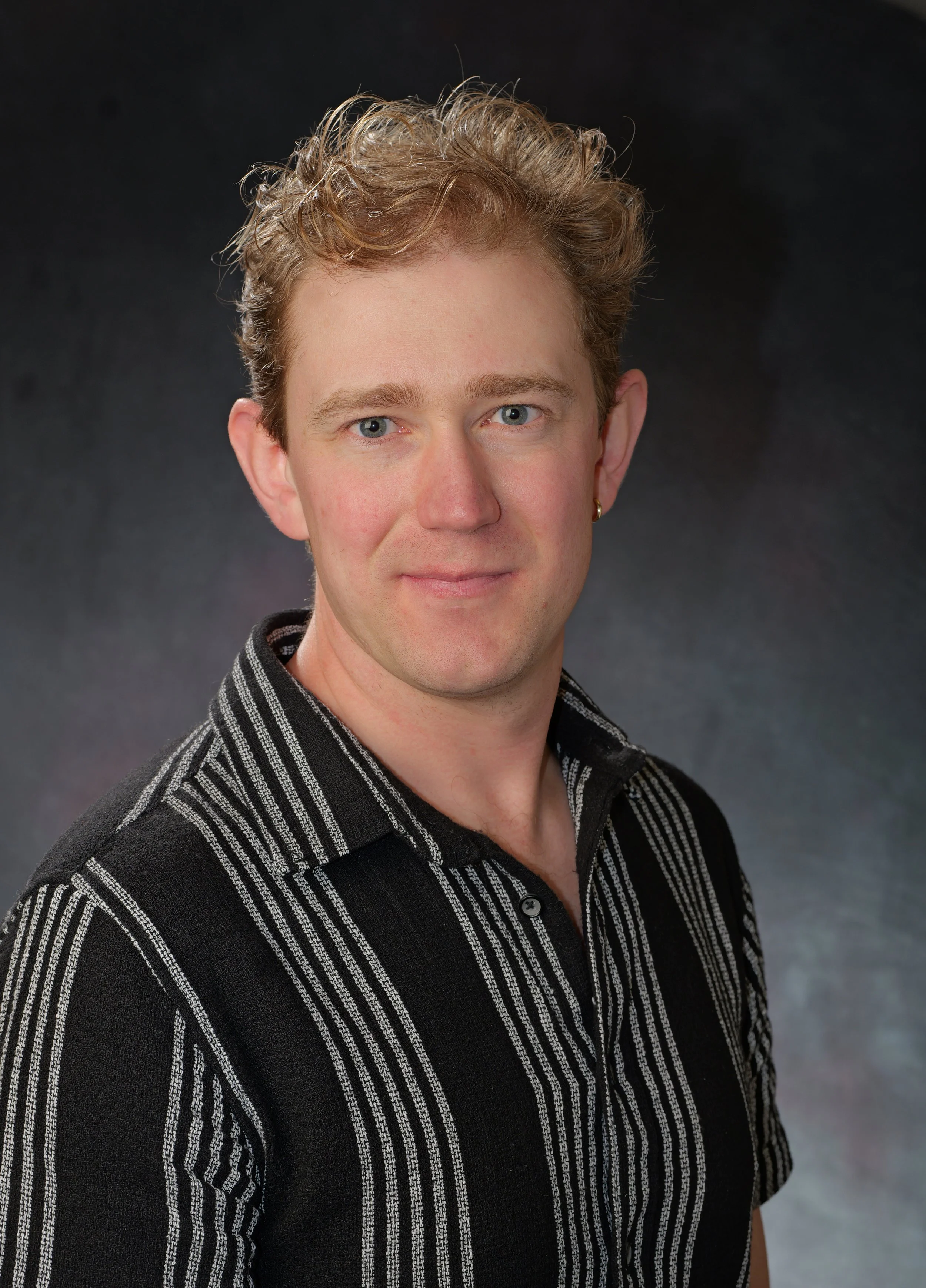
Tyler McIntosh
PhD Student
Tyler is a PhD student in the Dee and Balch Labs at CU Boulder. His research investigates landscape resilience in the face of disturbances and how we can better adapt to a future with increasing fire, drought, and ecological change.
In his research he integrates methods from the fields of disturbance ecology, remote sensing, and impact evaluation. Prior to his role as a PhD student, Tyler was a research coordinator in the CU Boulder Earth Lab, where his work focused on post-disturbance ecosystem resilience, macrosystems ecology, and providing tools and collaborative spaces to support the broader environmental data science community. He earned his BS and MS degrees in Earth Systems from Stanford University. Tyler grew up in Wyoming and now lives in Colorado. He is an avid outdoor recreationalist, enjoys a good book on a rainy day, and attempts to publish poetry every once in a while.
-
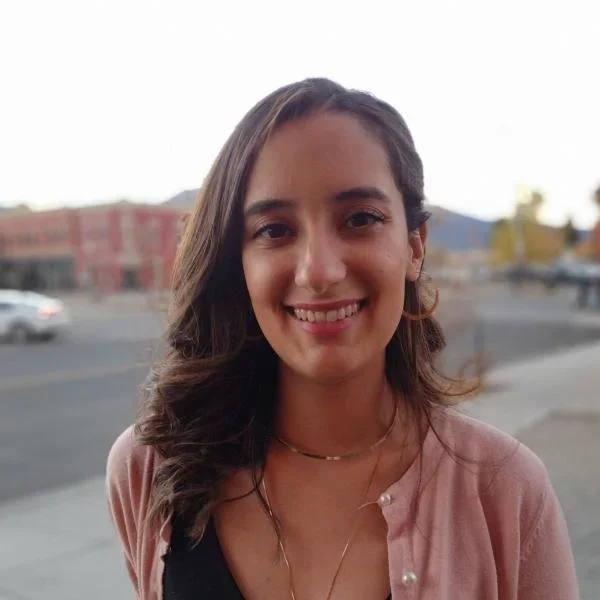
Manuela Mejia
PhD Student
Manuela is a Ph.D student in the REACH Lab conducting a lot of interdisciplinary work at the intersect of science education, diversity, ecology, and sustainability.
She collaborates with the Center for Regenerative Solutions (CRS) working on projects related to biodiversity and Urban Nature-based Solutions (NbS) within the Americas. Her main work focuses on understanding the levels of success within the area of biodiversity and Urban NbS in order to better educate and communicate to others the benefits of this work. Outside of this work, Manuela enjoys traveling with my fiancé Daniel, playing video and boardgames, playing with my dog Charlie, hanging out with friends, and crocheting. She also enjoys working on additional projects related to my dissertation which include working on CU's Backyard Orchard.
-
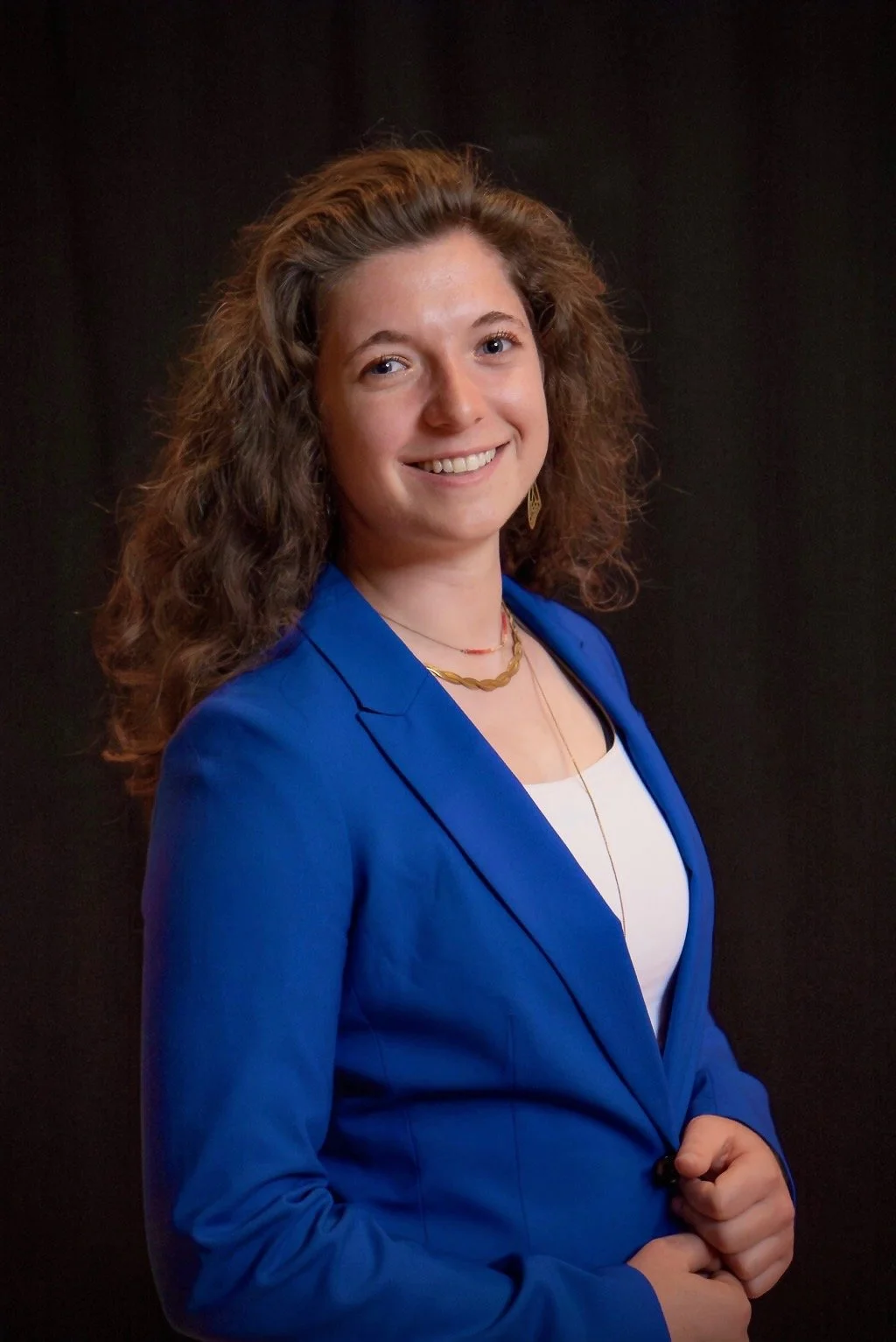
Mariah Rosensweig
Master’s Student
Mariah will be a first-year BAM (Bachelor Accelerated Master’s) student in the REACH Lab, working with Cool Boulder, a city-sponsored initiative focused on understanding how partner organizations implement nature-based solutions at all scales.
She strives to combine creativity and scientific thinking to support community action through video projects, workshops, and drawing as communication methods. As a SPIKE Scholar, she is interested in how scientific knowledge is communicated and who has access to it. She views education as a space for reciprocity, cultural respect, and collective learning. Outside of academics, Mariah loves going on long walks, always stopping to look at rocks, climb trees, and take in the wonders of the earth. Mariah helps organize the CU Capoeira club and participate in various scholar social committees.
-
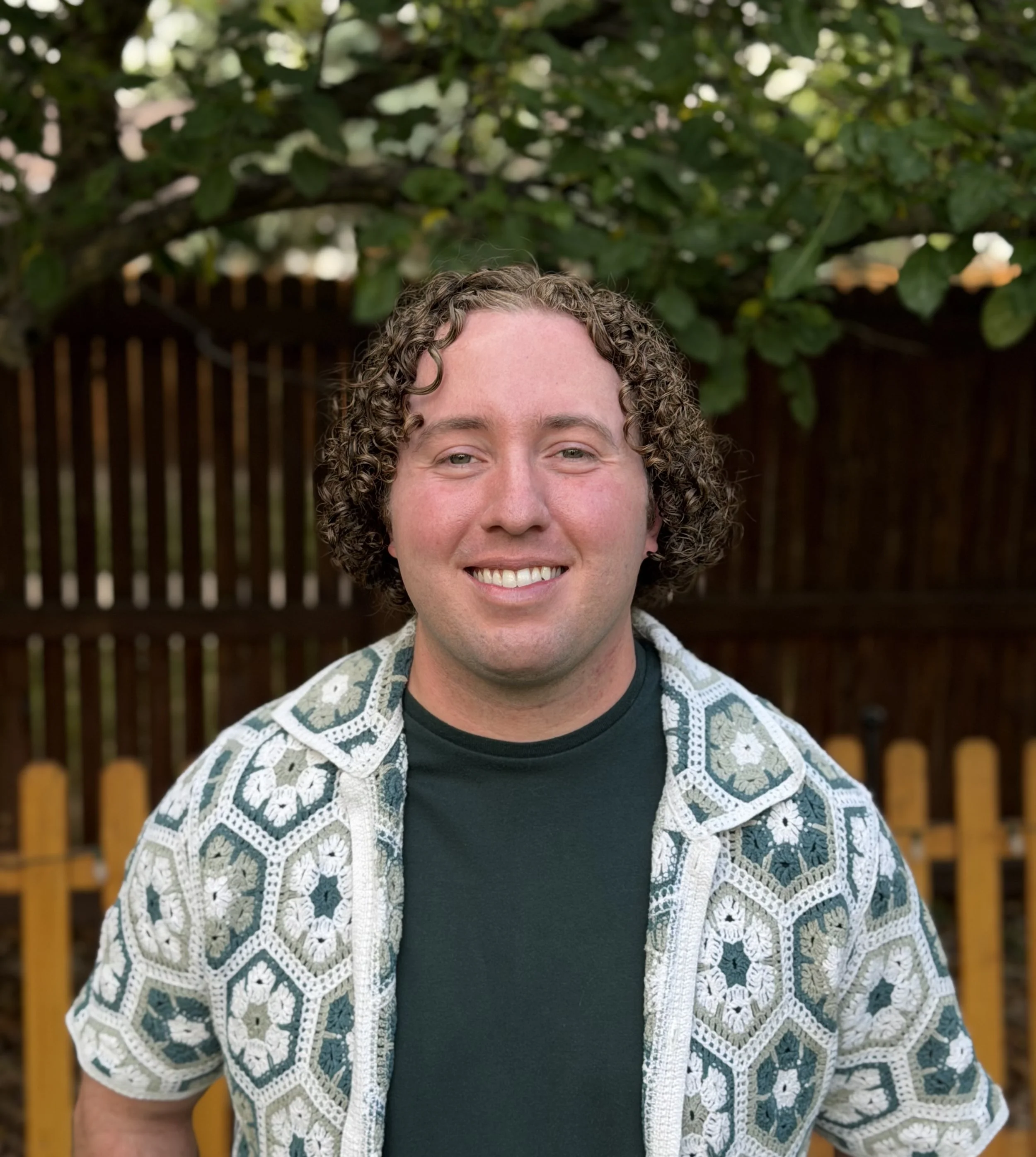
Trevor Randall
Phd Student
Trevor is a first-year PhD student in the REACH lab with a background in studying how snowmelt timing influences arthropod diversity.
After six years working as a paramedic, Trevor is excited to transition into graduate research with a growing interest in biology education and the ways human migration shapes biodiversity. Trevor’s research interests include how biology education can help support displaced populations and communities experiencing environmental change, as well as how we can help support and restore ecosystems aiding displaced populations. As Trevor begin his research, he aims to explore how accessible science education can connect people to nature-based solutions, focusing on the relationships between ecosystem restoration, environmental resilience, and human migration.
Special thanks to our program partners:




Why this work matters
Building Solutions That Last
The challenges of climate change, biodiversity loss, and environmental inequity are complex—and deeply interconnected. Addressing them requires solutions that are not only scientifically sound, but also shaped by the communities they are meant to serve.
NPAC is built to meet this moment by connecting research, partnerships, and real-world implementation. By working across disciplines and with partners at local to global scales, the center helps create solutions that are durable, equitable, and capable of driving meaningful impact for both people and the planet.