Nature-based Solutions at the SRI Sustainability Research Summit
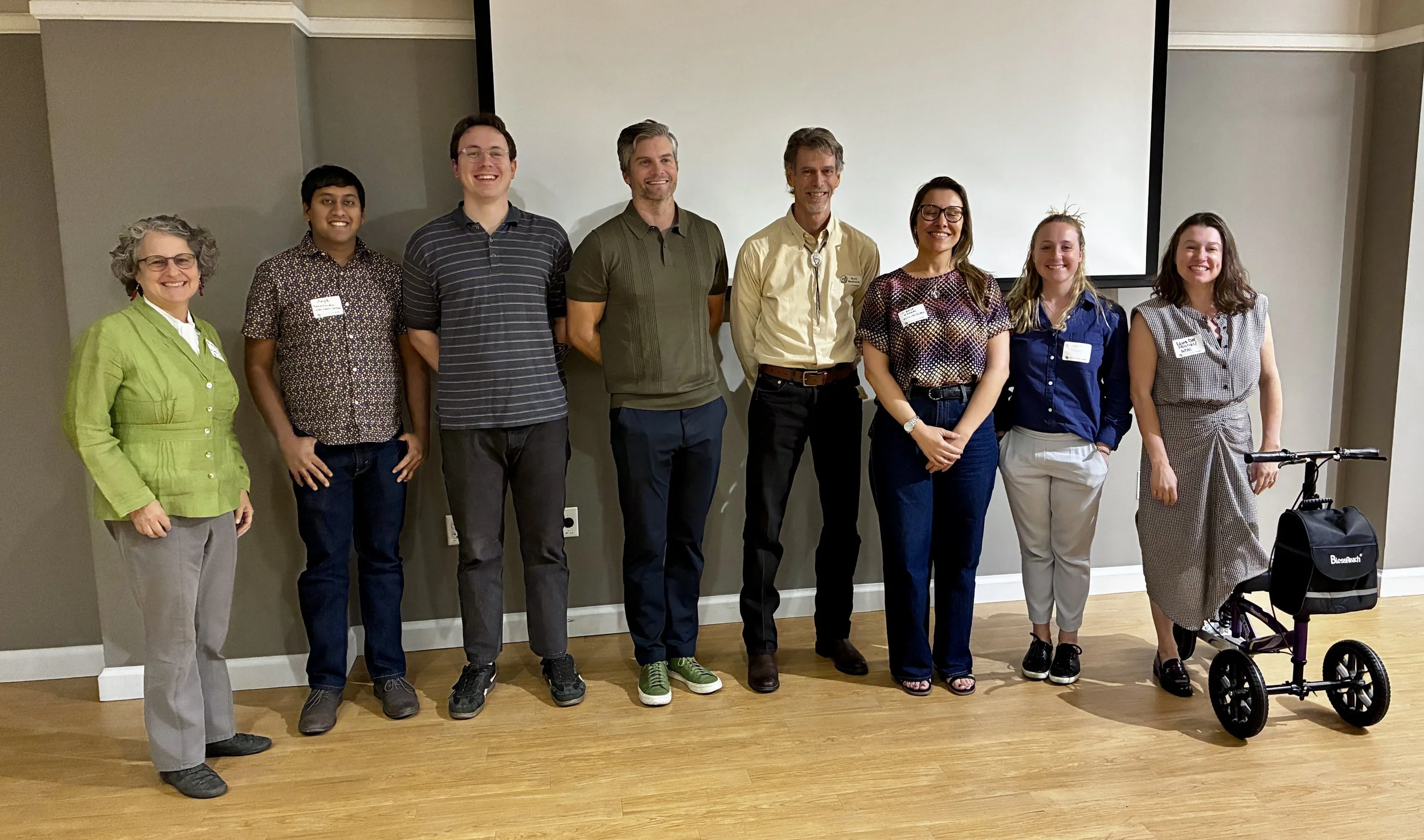
On October 8th and 9th, the Sustainability Research Initiative (SRI) at University of Colorado held their first Sustainability Research Summit to connect people with sustainability expertise across the CU Boulder campus and the local community.
As part of this summit, Dr. Laura Dee organized a session on nature-based solutions that paired academic talks with practitioner talks for three different nature-based solutions – urban tree planting, low-tech process-based restoration, and blue carbon.
Laura opened the session with a brief background on nature-based solutions (check out a related blog post here) and the importance of implementing and researching their impacts now.
Graduate student Advyth Ramachandran presented his research on how urban tree identity and their functional traits impact their ability to cool cities which was paired with a presentation from Tim Broderick of Boulder County’s Office of Sustainability, Climate Action, and Resilience Team about their urban forestry initiatives lead by Dede Croissant.
Graduate student Miles Moore presented on his collaborative work examining the efficacy of low-tech process-based restoration in the Upper Gunnison Watershed. His talk was paired with one from Dr. Diana Lane of The Nature Conservancy that urged listeners to picture what restoration can do for Colorado’s wetlands (accompanied with beautiful before and after photos of restoration sites).
CIRES and Earth Lab researcher Dr. Cibele Amaral presented her work on mapping impacts to blue carbon in mangrove ecosystems from things like drought and tropical cyclones and was complemented by a presentation by graduate student Elizabeth Francis who talked about her experience working for Pew Charitable Trust financing blue carbon projects and explained her experience with carbon markets.
The session concluded with remarks from Brett KenCarin from the City of Boulder’s Nature-Based Solutions Team about their nature-based solutions initiatives and the hope for scaling up local solutions and connecting other cities who are also using nature-based solutions to solve some of their most pressing challenges.
NPAC is grateful for the researchers and practitioners who shared their insights and enthusiasm for nature-based solutions and hopes to continue to nurture these partnerships into the future.
